

Space Saver Triple Bunk Beds
Add a review FollowOverview
-
Founded Date November 5, 2015
-
Posted Jobs 0
-
Viewed 43
Company Description
The 10 Scariest Things About Triple Single Bunk Bed
Understanding Triple Single Bunk Beds: The Ideal Space-Saving Solution for Families
As space in city homes ends up being progressively restricted, particularly for larger households or those residing in shared lodgings, innovative furniture styles have acquired prominence. One such style that stands apart for its usefulness and function is the triple single bunk bed. This article checks out the different elements of triple single bunk beds, including their styles, advantages, and considerations for potential buyers.
What Are Triple Single Bunk Beds?
Triple single bunk beds are a kind of bunk bed that normally comprises three stacked single beds. They are created to optimize vertical space, making them a perfect service for families with several children, shared spaces, or areas that require to accommodate over night visitors.
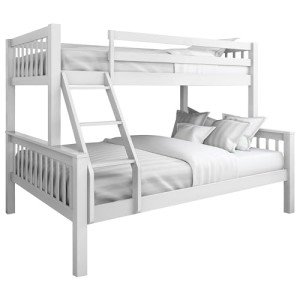
Design Variations
- Twin Over Twin Over Twin: This is the most typical setup, where three twin mattresses are stacked vertically.
- L-Shaped Triple Bunk: This design features an L-shape, enabling more flooring space and a better design in smaller rooms.
- Extension Models: Some triple bunk beds come with the choice to convert into two different beds for added versatility.
Products Used
- Wood: Offers toughness and aesthetic appeal.
- Metal: Provides a modern look and is often lighter.
- Composite materials: These can be both budget-friendly and versatile in style.
Benefits of Triple Single Bunk Beds
Triple single bunk beds offer numerous benefits, making them a worth-considering financial investment in any household.
Space-Saving Solution
Among the most considerable benefits is the space-saving characteristic. By stacking beds, families can maximize floor space for other activities, developing a more practical living area.
Accommodating Multiple Sleepers
Suitable for larger families or visitor rooms, these beds can easily accommodate three people, which is perfect for sleepovers or sibling plans.
Adaptability
Many models can be tailored or reconfigured to satisfy altering needs. For example, some beds permit lower bunks to be transformed into separate single beds.
Security Features
Quality triple bunk beds come with safety rails and tough ladders, ensuring the safety of the residents, especially young kids.
Aesthetic Appeal
Readily available in numerous designs and finishes, these beds can complement one’s home design while offering practical sleeping plans.
Considerations When Choosing a Triple Single Bunk Bed
While a triple single bunk bed provides numerous advantages, certain factors to consider must be attended to before making a purchase.
Room Dimensions
- Step the Space: Ensure that there suffices vertical clearance for the total height of the bunk bed, as well as sufficient space to steer around it.
- Flooring Space: Consider just how much flooring space the bed will inhabit, especially if shared space is an issue.
Weight Capacity
Each bunk bed has a weight limit. It’s vital to validate that the bed can adequately support the weight of the residents.
Material Quality
Examine the products used in the construction of the bunk bed. Solid wood or premium metal is usually more long lasting and reputable compared to particle board or lower-grade materials.
Security Features
- Guard Rails: Ensure the top bunk has safety guard rails on both sides to avoid falls.
- Sturdy Ladder: A robust and well-placed ladder is essential for safe access to the upper bunks.
Assembly
Think about whether the bed comes pre-assembled or needs assembly. The latter may require extra tools and time.
Upkeep and Care
To make sure a long life for triple single bunk beds, routine maintenance is crucial. Here are some ideas:
- Regular Inspections: Periodically look for loose screws or damaged parts.
- Cleaning: Keep the bed clean by cleaning it down with a moist cloth and avoiding harsh chemicals.
- Mattress Care: Rotate mattresses routinely to promote even use and extend their life-span.
In summary, triple single bunk beds represent a practical and stylish solution for households and people looking for to optimize their home. With various styles and configurations offered, they deal with a large variety of choices and requirements. Understanding the various advantages, considerations, and maintenance ideas can assist purchasers make notified choices when buying this innovative furnishings piece.
Frequently asked questions
What is the maximum height for a kid to securely use the top bunk?
While it depends on the particular bed’s guidelines, it’s usually advised that children under the age of six need to not oversleep the top bunk.
Just how much weight can a triple single bunk bed hold?
Weight capability differs significantly amongst different designs, but most can support between 175 to 300 pounds per bunk.
Do I require unique mattresses for triple single bunk beds?
Many triple single bunk beds can accommodate standard twin-size mattresses. However, it’s important to look for specific suggestions from the maker.
Are triple single bunk beds simple to put together?
Assembly trouble varies by design. Some might come taken apart, requiring tools, while others may be more uncomplicated to establish.
Can I separate the triple bunk beds into smaller sized beds?
Lots of models permit separation into single beds. Constantly confirm this function before purchasing to make sure flexibility in usage.
Summary Table of Triple Single Bunk Bed Features
| Feature | Description |
|---|---|
| Max Occupants | Three separate sleeping spaces |
| Style Variations | Twin over Twin over Twin, L-shaped, Extension models |
| Common Materials | Wood, Metal, Composite materials |
| Safety Features | Guard rails, durable ladders |
| Weight Capacity | Normally 175 to 300 pounds per mattress |
| Upkeep Tips | Routine evaluations, cleansing, mattress care |
By thinking about all these elements, parents and guardians can make the most informed options for their kids’s sleeping plans.