

Built In Oven Uk
Add a review FollowOverview
-
Founded Date October 25, 1915
-
Posted Jobs 0
-
Viewed 57
Company Description
Ten Common Misconceptions About Integrated Fan Oven That Aren’t Always True
The Integrated Fan Oven: Modern Cooking Reimagined
In the last few years, the kitchen landscape has actually developed significantly, particularly with the introduction of innovative appliances created to boost cooking experiences. Amongst these developments, the integrated fan oven stands apart as a popular option for both amateur cooks and skilled chefs alike. Mixing functionality with aesthetic appeals, integrated fan ovens have actually become associated with convenience and efficiency in contemporary kitchen areas. This article looks into what an integrated fan oven is, its benefits, essential functions, and how it compares to conventional ovens.
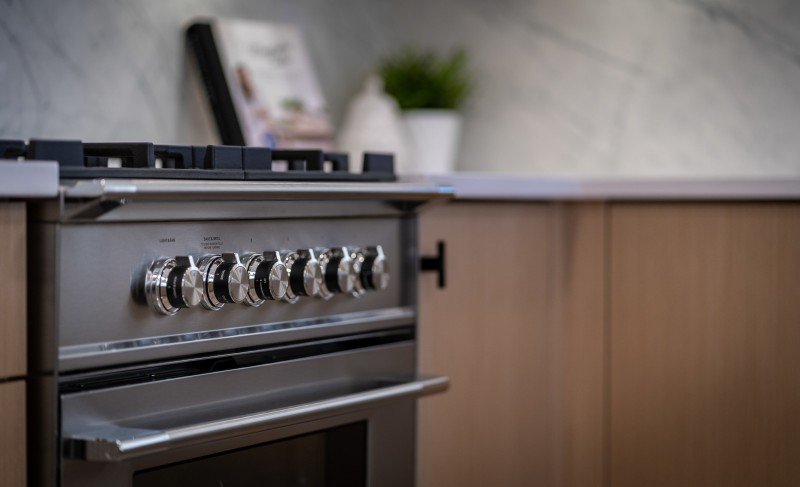
What is an Integrated Fan Oven?
An integrated fan oven, frequently referred to as a convection oven, utilizes a fan system to flow hot air throughout the cooking chamber. This innovation allows for more consistent cooking, leading to much better flavor and texture for a range of meals. Unlike traditional ovens, which rely entirely on radiant heat, integrated fan ovens produce an even baking environment that can reduce cooking times significantly.
Advantages of an Integrated Fan Oven
- Even Cooking: The circulating air helps eliminate cold spots, ensuring that food is cooked equally from all angles.
- Faster Cooking Times: The efficient heat distribution implies that dishes may require a lower cooking temperature and reduced cooking time.
- Adaptability: Integrated fan ovens can manage a series of cooking jobs, from baking and roasting to barbecuing and defrosting.
- Energy Efficiency: With minimized cooking times and temperatures, integrated fan ovens can be more energy-efficient than standard models.
- Visual Appeal: As integrated appliances, they mix effortlessly with cabinetry, supplying a tidy and advanced appearance.
| Function | Integrated Fan Oven | Conventional Oven |
|---|---|---|
| Heat Distribution | Even (convection) | Uneven |
| Cooking Speed | Faster | Slower |
| Temperature level Control | More exact | Frequently less accurate |
| Energy Efficiency | More effective | Less efficient |
| Style & & Space Utilization | Integrated & & streamlined Standalone & & bulky |
Key Features of Integrated Fan Ovens
Integrated fan ovens are not just specified by their cooking mechanism but also by a variety of advanced features that boost their usability. Here are some typical features to think about:
- Self-Cleaning Options: Many models include self-cleaning functions, such as pyrolytic clean, making upkeep much easier.
- Several Cooking Functions: Equipped with numerous cooking modes (bake, grill, roast, steam), they provide alternatives for every single cooking task.
- Programmable Settings: Digital interfaces allow users to set timers, temperatures, and cooking periods with ease.
- Thermostatic Control: Helps maintain consistent cooking temperatures for best outcomes each time.
- Interior Lighting: Bright LED lights brighten the oven interior, allowing users to keep track of cooking development without opening the door.
Selecting the Right Integrated Fan Oven
When selecting the best integrated fan oven for your kitchen, several aspects should come into play. The following list can guide potential buyers in their decision-making:
Considerations When Buying
- Size and Capacity: Make sure the oven fits within your cabinets and has sufficient area for your cooking needs.
- Energy Rating: Consider models with great energy scores to decrease utility costs and environmental effect.
- Relieve of Use: Look for user-friendly controls and features that fit your cooking style.
- Budget: Integrated fan ovens come at various rate points; identify your budget plan before shopping.
- Brand name Reputation: Research different brands and read evaluations to evaluate reliability and client service.
Regularly Asked Questions (FAQs)
1. What is the difference in between a fan oven and a traditional oven?
A fan oven uses a Built In Ovens And Microwaves-in fan to circulate hot air, causing more even cooking. A standard oven, on the other hand, relies on natural heat transfer and might have hot and cold areas, which can result in unevenly cooked food.
2. Can I use baking trays in an integrated fan oven?
Yes, standard baking trays can be used in an integrated fan oven. It is recommended to pick flat trays or pans that permit even air blood circulation.

3. How do I clean an integrated fan oven?
The majority of integrated fan ovens feature a self-cleaning function, though manual cleansing is also an alternative. Using a suitable oven cleaner and a soft fabric can successfully get rid of grease and food residues.
4. For how long does it require to pre-heat an integrated fan oven?
Generally, an integrated fan oven can preheat within 10-15 minutes, depending upon the temperature level setting.
5. Are integrated fan ovens energy effective?
Usually, integrated fan ovens are more energy effective than standard ovens due to the fact that they prepare food faster and at lower temperatures.
The convenience and efficiency of integrated fan ovens are changing kitchen areas around the globe. With their capability to prepare food uniformly and quickly, these ovens accommodate the requirements of busy modern-day lifestyles while preserving a stylish appearance in the kitchen. Whether you are a newbie cook or a knowledgeable chef, integrating a fan oven into your cooking arsenal can elevate the quality of your cooking and boost pleasure while doing so. Understanding the functions, benefits, and considerations for purchasing will eventually cause informed options and a rewarding cooking experience.