

Medical Walker
Add a review FollowOverview
-
Founded Date June 24, 2005
-
Posted Jobs 0
-
Viewed 76
Company Description
Guide To Rollator With Wheels: The Intermediate Guide On Rollator With Wheels
Understanding Rollators with Wheels: A Comprehensive Guide
Rollators, likewise referred to as wheeled walkers, have become significantly popular among individuals seeking mobility help. These ingenious gadgets offer a combination of assistance, stability, and benefit, making them perfect for seniors and individuals with specials needs. This article explores the features, benefits, types, and factors to consider of rollators with wheels, along with regularly asked questions to help you make a notified choice.
What is a Rollator?
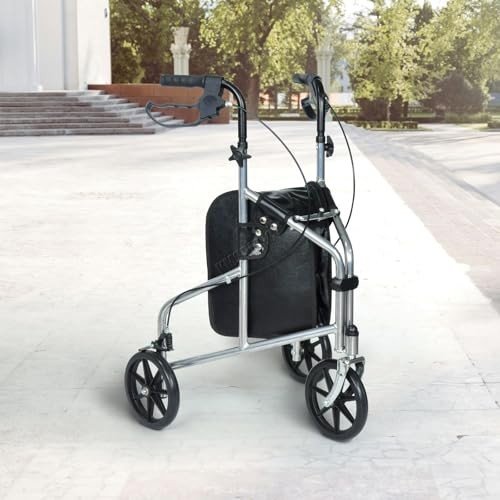
A rollator is a mobility device equipped with three or 4 wheels, hand brakes, and a frame designed for stability. Unlike conventional walkers, which require users to raise the device to move, rollators glide smoothly, enabling users to stroll naturally while getting support. A lot of rollators likewise consist of a seat for resting, making them particularly useful for those who may tire quickly.
Key Features of Rollators
- Wheels: Generally created with either 3 or 4 wheels, providing balance and stability while walking.
- Hand Brakes: These brakes enable users to stop the rollator securely while promoting confidence during use.
- Seat: Many rollators come geared up with a seat for resting, perfect for users who might require to take breaks during walks.
- Basket or Storage Bag: Convenient for carrying personal items, shopping, or fundamentals throughout trips.
- Adjustable Height: Frames are typically adjustable for a customized fit, accommodating users of various heights.
Benefits of Using a Rollator with Wheels
Rollators offer various benefits for individuals with limited mobility. Some of the key benefits consist of:
- Enhanced Mobility: Rollators enable users to maintain independence and mobility, making it simpler to navigate inside and outdoors.
- Enhanced Stability: The presence of wheels and brakes offers extra support, decreasing the threat of falls.
- Convenience of Use: Users can walk naturally without requiring to raise the device, which can reduce stress on the arms and back.
- Comfortable Seating: Users can take breaks whenever needed, decreasing tiredness and allowing longer trips.
- Increased Confidence: With much better support and stability, users might feel more protected in their motions, resulting in higher mobility.
Kinds of Rollators
When considering a rollator, a range of alternatives are available to cater to varied requirements:
-
Standard Rollators: Typically included 4 wheels, bigger frames, and a comfortable seat, making them suitable for a lot of users.
-
Compact Rollators: Designed for indoor use or travel, these rollators are lightweight, foldable, and often include smaller sized frames.
-
Sturdy Rollators: Engineered for users who might need additional assistance, these rollators usually have a higher weight capability and a bigger frame.
-
Three-Wheeled Rollators: More maneuverable than their four-wheeled equivalents, these rollators are ideal for browsing tighter areas.
Factors to consider Before Purchasing a Rollator
Before purchasing a rollator, there are several aspects that should be thought about to guarantee the very best fit for individual needs:
- Weight Capacity: Check the weight limitation to guarantee it supports the user’s weight effectively.
- Frame Size: Ensure that the frame fits the user’s height for ideal comfort and support.
- Wheel Size: Larger wheels are generally better for outdoor use and rough terrain, while smaller sized wheels are more fit for indoor use.
- Storage Options: Consider just how much storage is essential for mobility aids, shopping, or individual items.
- Mobility: If travel is a priority, decide for a foldable and lightweight model for ease of transport.
Upkeep of Rollators
Correct maintenance can lengthen the life of a rollator and ensure safety during use. Here are some suggestions:
- Regularly Check Brakes: Ensure that hand brakes function properly and change them as required.
- Inspect Wheels: Look for wear and tear; replace wheels if they reveal indications of damage.
- Tighten Loose Parts: Regularly examine for any loose screws or bolts and tighten them to maintain stability.
- Tidy the Frame: Wipe down the frame frequently to keep it devoid of dirt and debris.
Table: Comparison of Rollator Types
| Type of Rollator | Wheel Count | Perfect Use | Weight Capacity | Portability |
|---|---|---|---|---|
| Standard Rollator | 4 | General mobility | 300 pounds | Moderate |
| Compact Rollator | 4 | Indoor/Travel | 250 lbs | High |
| Heavy-Duty Rollator | 4 | Strenuous use | 400 pounds | Low |
| Three-Wheeled Rollator | 3 | Tight areas | 300 pounds | Moderate |
FAQs About Rollators with Wheels
Q1: How do I pick the right Rollator With Wheels for my needs?
A1: Consider aspects such as your height, weight, and where you’ll primarily use the rollator (indoor vs. outdoor). A trial at a mobility shop might likewise assist you find a comfy fit.
Q2: Are rollators challenging to maneuver?
A2: Most rollators are designed for ease of use, and with practice, users generally discover them simple to navigate, especially those with turning wheels.
Q3: What is the typical expense of a rollator?
A3: Prices can range significantly, from approximately ₤ 70 for standard designs to over ₤ 300 for high-end or specific designs.
Q4: Can rollators be utilized outdoors?
A4: Yes, many rollators are designed for both indoor and outdoor use. Nevertheless, choosing one with larger wheels can boost stability on unequal surface.
Q5: How do I maintain my rollator?
A5: Regularly inspect the brakes and wheels for wear, tighten up any loose parts, and tidy the frame regularly to ensure safety and longevity.
Rollators with wheels are important mobility aids that promote self-reliance and security for users. By comprehending the features, benefits, and maintenance of rollators, people can make informed decisions about their mobility requires. With the ideal rollator, users can delight in improved mobility, self-confidence, and lifestyle.