

3 Way Bunk Bed
Add a review FollowOverview
-
Founded Date June 4, 1966
-
Posted Jobs 0
-
Viewed 38
Company Description
You’ll Never Be Able To Figure Out This 3 Bunk Beds’s Tricks
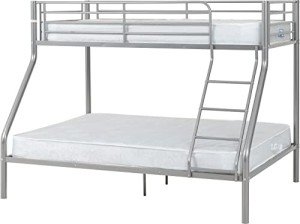
Exploring Three Creative Bunk Bed Designs for Modern Homes
Bunk beds have long been celebrated for their space-saving abilities and spirited designs. Whether used in kids’s spaces, guest bed rooms, or even in shared living areas, they use a clever solution to optimize space without sacrificing design. In this article, we explore three innovative bunk bed designs that deal with various requirements and visual choices. We will likewise discuss their benefits and potential drawbacks, ensuring that readers can make educated choices for their homes.
1. Standard Twin-Over-Twin Bunk Bed
Introduction
The twin-over-twin bunk bed is a timeless design that has actually sustained through generations. It consists of 2 twin-sized mattresses stacked one above the other, typically featuring a durable wooden or metal frame.
Features
- Flexibility: Ideal for shared kids’s spaces or guest quarters.
- Space Efficiency: Maximizes flooring space, enabling more location for play or furniture.
- Cost-efficient: Generally more cost effective than other specialized bunk bed designs.
Advantages
- Easy to assemble and dismantle.
- Can accommodate various mattress types.
- Often is available in a variety of finishes and styles.
Drawbacks
- Limited to twin-sized mattresses; not appropriate for older teenagers or adults.
- May require a ladder for gain access to, which might be an issue for more youthful children.
| Function | Specification |
|---|---|
| Measurements (L x W x H) | 78 x 42 x 60 inches |
| Weight Capacity | 250 pounds (each bed) |
| Material | Strong wood/ Metal |
| Price Range | ₤ 150– ₤ 500 |
2. Lofted Bunk Bed with Study Area
Summary
The lofted bunk bed design takes the traditional concept an action even more by developing a living location underneath the top 3 Bunk Bed. This structure is particularly popular in children’s rooms and college dormitories, as it combines sleeping and workspace effectively.
Features
- Usage of Space: The location beneath the top bunk can be changed into an office, play location, or storage zone.
- Customization Options: Many designs permit additional parts such as desks, racks, or chairs to be integrated.
Advantages
- Promotes company with integrated storage options.
- Motivates productivity or have fun with a devoted space below.
- Suitable for small spaces where every square foot counts.
Disadvantages
- The height of the top bunk may posture safety issues, specifically for active children.
- Assembly can be more complex due to the integration of numerous elements.
| Feature | Specification |
|---|---|
| Measurements (L x W x H) | 80 x 42 x 66 inches |
| Weight Capacity | 300 lbs (top); 200 pounds (bottom) |
| Material | Metal and laminate |
| Price Range | ₤ 300– ₤ 700 |
3. Futon Bunk Bed
Overview
The futon bunk bed style provides a unique twist on the standard design by integrating a top bunk with a futon sofa at the bottom. This design is highly flexible and can be utilized as a bed during the night and a seating area during the day.
Features
- Convertible Function: The futon can be easily converted from a sofa to a bed.
- Perfect for Small Spaces: Provides 2 functions in one piece of furnishings, saving space.
Benefits
- Perfect for multi-functional spaces, especially in studio apartment or condos or family rooms.
- Ideal for accommodating visitors, as the futon can be utilized for sleeping.
- Offers a casual visual that interest a series of tastes.
Downsides
- Futon mattresses tend to be thinner and less comfy than standard mattresses.
- The height of the top bunk could posture obstacles for older individuals or those with mobility issues.
| Function | Requirements |
|---|---|
| Measurements (L x W x H) | 76 x 39 x 70 inches |
| Weight Capacity | 400 pounds (top); 600 lbs (futon) |
| Material | Metal frame with fabric futon |
| Price Range | ₤ 250– ₤ 600 |
FAQ Section
1. What age is appropriate for children to utilize bunk beds?
Typically, kids aged six and older are considered safe for top bunk use, although this can depend upon the child’s maturity and the particular style of the bunk bed.
2. Do bunk beds need unique mattresses?
Not always, however it’s necessary to select mattresses that work with the bunk bed’s requirements. For safety factors, the mattress should not go beyond the guardrails.
3. Can I personalize or personalize my bunk bed?
Yes! Many manufacturers use customization alternatives, including various surfaces, added storage, and even the ability to transform the bed designs.
4. Exist safety standards for bunk beds?
Yes, bunk beds must adhere to safety requirements described by organizations like the American Society for Testing and Materials (ASTM) and the Consumer Product Safety Commission (CPSC). Look for designs that fulfill these safety guidelines.
5. How do I guarantee the security of a bunk bed?
Always check the stability of the structure, ensure the top bunk has guardrails, and emphasize safe climbing up practices. Frequently examine the bed for wear and tear.
Bunk beds are a trendy and useful solution for various living circumstances, from taking full advantage of space in children’s spaces to accommodating visitors in smaller homes. By checking out styles like the standard twin-over-twin, lofted bunk bed with a research study location, and multifunctional futon bunk beds, house owners can pick a versatile choice that meets their requirements. Each style has unique advantages and factors to consider, making it vital to examine the specific context of usage before buying. Whether it’s for a child’s room or a visitor space, there’s a bunk bed style waiting to boost performance and comfort.