

Automatic Hoover UK
Add a review FollowOverview
-
Founded Date November 29, 1954
-
Posted Jobs 0
-
Viewed 67
Company Description
9 . What Your Parents Teach You About Robotic Hoover
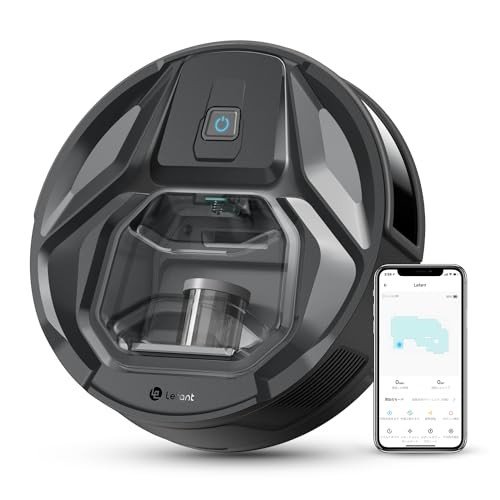
The Evolution and Impact of Robotic Hoovers in Modern Homes
In the ever-evolving landscape of home innovation, few innovations have actually caught the general public’s creativity rather like robotic hoovers. These automated cleaning gadgets, when thought about a luxury, have ended up being increasingly prevalent in homes around the world. From their simple starts to the sophisticated designs available today, robotic hoovers have actually revolutionized the method we think about and carry out family tasks. This short article explores the history, innovation, advantages, and potential future advancements of these remarkable makers.
A Brief History of Robotic Hoovers
The concept of a vacuum robot that could clean autonomously goes back to the mid-20th century, when sci-fi authors and futurists began visualizing a future where home jobs would be performed by smart machines. However, it wasn’t till the late 1990s and early 2000s that the very first commercially practical robotic hoovers struck the marketplace. The iRobot Roomba, presented in 2002, is often credited as the pioneer in this field. Because then, many business have gone into the marketplace, each bringing its own unique features and innovations to the table.
How Robotic Hoovers Work
Robotic hoovers operate utilizing a combination of sensing units, algorithms, and navigation systems. Here’s a breakdown of the essential parts and innovations:
-
Sensors
- Laser and Infrared Sensors: These assist the robot detect barriers, walls, and drop-offs, guaranteeing it doesn’t fall down stairs or get stuck.
- Dust Detection Sensors: These sensing units recognize locations with a high concentration of dirt and dust, permitting the robot to focus its cleaning efforts.
- Cliff Sensors: These prevent the robot from falling off edges, such as staircases.
-
Navigation Systems
- Mapping Technology: Advanced designs utilize mapping innovation to create an in-depth floor strategy of the home, enhancing cleaning paths and avoiding formerly cleaned areas.
- SLAM (Simultaneous Localization and Mapping): This innovation enables the robot to browse and map its environment in real-time, making changes as it goes.
-
Cleaning Mechanisms
- Brush Systems: Most robotic hoovers use a mix of main and side brushes to sweep and collect dirt and particles.
- Suction Power: The strength of the suction is vital for reliable cleaning, especially on carpets and in hard-to-reach areas.
- HEPA Filters: These filters are used in higher-end designs to trap irritants and fine particles, making them perfect for households with family pets or allergy patients.
-
Connection and Control
- Wi-Fi Connectivity: Many modern-day robotic hoovers can be managed via smart device apps, permitting users to schedule cleansings, screen development, and receive notifications.
- Voice Control: Integration with smart home devices like Amazon Alexa and Google Assistant enables hands-free operation.
Benefits of Robotic Hoovers
The adoption of robotic hoovers has brought numerous advantages to modern households:
-
Convenience
- Automated Cleaning: Robotic hoovers can be set to tidy immediately, minimizing the need for manual intervention.
- Remote Operation: Users can control and monitor their robotic hoovers from anywhere, utilizing smartphone apps or voice commands.
-
Effectiveness
- Enhanced Cleaning Paths: Advanced navigation systems ensure that the robot covers the entire area efficiently, decreasing the time and energy needed for cleaning.
- Consistency: Robotic hoovers can perform cleaning tasks regularly, keeping a high standard of cleanliness without the need for human supervision.
-
Cost-Effectiveness
- Long-Term Savings: While the preliminary investment may be greater, robotic hoovers can conserve money in time by minimizing the requirement for expert cleaning services.
- Energy Efficiency: Modern designs are designed to be energy-efficient, robotic Hoover and Mop minimizing their effect on electrical power costs.
-
Time-Saving
- Freeing Up Time: By automating the cleaning process, users have more time to concentrate on other activities, whether it’s work, leisure, or spending time with family.
-
Allergic reaction Relief
- HEPA Filters: These filters can record irritants and fine particles, enhancing indoor air quality and supplying relief to allergic reaction sufferers.
Difficulties and Limitations
Despite their numerous benefits, robotic hoovers are not without their challenges:
-
Initial Setup
- Mapping and Calibration: Setting up a robotic hoover can be time-consuming, specifically for bigger homes or those with complex layouts.
- Barrier Identification: Users might require to rearrange furnishings or get rid of small things to guarantee the vacuum robot can navigate freely.
-
Battery Life
- Limited Range: Most robotic hoovers have a restricted battery life, which may require them to return to their charging dock before completing a cleaning cycle.
- Frequent Recharging: Some designs might require to recharge several times throughout a single cleaning session, which can be inconvenient.
-
Cleaning Performance
- Dust and Debris Collection: While effective on tough floors, some models battle with deep-pile carpets or greatly stained locations.
- Maintenance: Regular cleaning of filters and brushes is needed to maintain optimum efficiency.
-
Personal privacy Concerns
- Information Collection: Some users might be concerned about the information collected by the robot, including floor maps and user habits patterns.
Future Developments
The future of robotic hoovers looks promising, with ongoing developments in technology and increasing integration with smart home ecosystems. Here are some possible developments:
-
Enhanced Navigation
- AI and Machine Learning: Improved AI and artificial intelligence algorithms will enable robotic hoovers to much better understand and adapt to their environment, making them more efficient and autonomous.
- 3D Mapping: Three-dimensional mapping innovation will allow robots to navigate more complex and cluttered spaces.
-
Much Better Cleaning Performance
- Multi-Functionality: Future models might include additional functions such as mopping and air purification.
- Smart Sensors: Advanced sensors will identify and clean particular types of dirt and debris, such as pet hair or sticky substances.
-
Enhanced Battery Technology
- Longer Battery Life: Advances in battery innovation will increase the range and period of cleaning sessions.
- Faster Charging: quicker charging times will reduce downtime and make the robotics more easy to use.
-
Seamless Integration
- Smart Home Ecosystems: Robotic hoovers will incorporate more perfectly with other smart home devices, enabling collaborated cleaning and home management.
- Voice-Activated Commands: Enhanced voice recognition and natural language processing will make it simpler to manage the robot using voice commands.
Frequently Asked Questions (FAQs)
-
How do I set up a robotic hoover?
- Setting up a robotic hoover typically involves downloading a smartphone app, connecting the robot to your Wi-Fi network, and producing a map of your home. Some models may need additional calibration or establishing virtual walls to specify cleaning locations.
-
Can robotic hoovers clean all kinds of floors?
- A lot of robotic hoovers are created to clean both difficult floors and low-pile carpets. However, deep-pile carpets and heavily stained locations may need extra cleaning or a more effective design.
-
How often do I need to clear the dustbin?
- The frequency of clearing the dustbin depends on the size of your home and how often the Best robot vacuum and mop UK cleans up. As a general rule, it’s an excellent idea to clear the dustbin after each cleaning session to make sure optimum performance.
-
Are robotic hoovers noisy?
- Modern robotic hoovers are designed to be reasonably quiet, but the sound level can differ depending on the design and the strength of the suction. Some designs use a “quiet mode” for very little disturbance.
-
Can robotic hoovers climb up stairs?
- Most robotic hoovers are not designed to climb stairs due to security concerns. However, some designs can be set to stop briefly at the top of a staircase and resume cleaning on a various floor as soon as manually moved.
-
Do I require to eliminate furniture before using a robotic hoover?
- While some furnishings may need to be relocated to enable the robot to tidy beneath, many models are designed to navigate around barriers. It’s an excellent idea to eliminate little products that might impede the best robot vacuum cleaners uk‘s course.
-
How long do robotic hoovers last?
- The life expectancy of a robotic hoover can differ, however many designs are designed to last several years with appropriate upkeep. Regular cleaning of filters and brushes, along with keeping the robot’s software application upgraded, can extend its life-span.
-
Are robotic hoovers worth the investment?
- For many households, the convenience, efficiency, and time-saving advantages of robotic hoovers make them a worthwhile financial investment. Nevertheless, it’s crucial to consider your specific needs and the functions offered by various designs before purchasing.
Robotic hoovers have actually come a long method given that their inception, transforming the way we preserve our homes. With their ability to tidy autonomously, integrate with smart home systems, and offer consistent outcomes, they offer a variety of advantages that make them an appealing alternative for numerous households. As technology continues to advance, we can expect much more advanced and easy to use models to emerge, further improving the cleaning experience. Whether you’re a busy expert, a moms and dad, or just someone who values a tidy home, a robotic hoover might just be the solution you’ve been looking for.
By exploring the history, technology, benefits, and future of robotic hoovers, this post intends to supply an extensive understanding of these innovative cleaning devices. For those thinking about a robotic hoover, the FAQs and lists of essential features can work as valuable resources in making an informed choice.